Fairway Hotel Named Second Best Asian Fusion Restaurant, Its bar named after Mak don
December 18, 2019
Rwanda’s Trade Minister tells EAC MSMEs to scale up operations
December 18, 2019
By George Mangula
After only three years since its establishment in 2016, the Ugandan Ministry of Science, Technology and Innovation has been recognized by its peers by electing Uganda to chair the Specialised Technical Committee on Education, Science and Technology (STC-EST) of the African Union for the next two years.
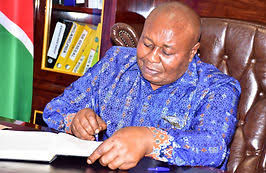
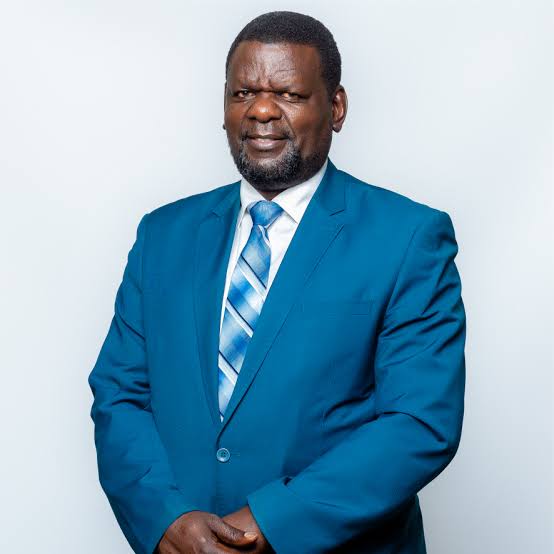
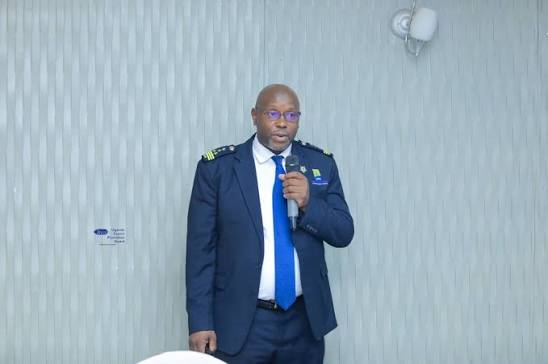
“This was at the 3rd Session of the STC-EST held at the AU Headquarters in Addis Ababa, Ethiopia last week at which Uganda’s Director Science, Technology, Innovation, Regulation and Biosafety Dr. James Kasigwa chaired the technical Experts Meeting and I chaired the Ministerial Meeting of the STC-EST,” the sector minister Dr. Elioda Tumwesigye told journalist on Wednesday at the Uganda Media Centre in Kampala. Tumwesigye now chairs the Committee by virtue of Uganda being its Chairman.
According to Dr.Tumwesigye, the meeting where Uganda was elected was attended by African Union (AU) member states (represented by Ministers and Technical Experts in Education, Science and Technology), Development Partners, and Partner Institutions.
He said The Chairperson of the Specialized Technical Committee Meeting on Education, Science and Technology (STC- EST) is elected by the 55 member countries form the five regions (Northern Africa, Southern Africa, Eastern Africa, Western Africa and Central Africa). The 12 Countries in the East African region include Tanzania, Rwanda, Burundi, Somalia, Sudan, Ethiopia, Djibouti, Comoro, Madagascar, South Sudan, Somalia, and Uganda. Uganda will hold the Chair of the STC- EST till December 2021.
As the chair of the STC–EST, Uganda will among others will; elaborate, adopt, and monitor the implementation of the African Continental Strategy for Education, the Continental Strategy for Technical and Vocational Education and Training, and other African Union strategies and programmes and plans of action in education and training;
Uganda will also ensure that Member States provide education data to the African Union Education Observatory, ensure that Member States provide Science, Technology and Innovation data to the African Observatory on Science, Technology and Innovation Indicators (AOSTI), establish performance indicators and receive reports on the performance of national, regional and continental agencies and institutions in education, training, science, technology and innovation, review and endorse initiatives and proposals to promote the co-ordination and the strengthening of education, training, science, technology and innovation programmes and interventions in the region.
Uganda will further monitor the implementation of the Science, Technology and Innovation Strategy for Africa (STISA 2024) and other African Union strategies, policy frameworks and plans of action in science, technology and innovation at national, regional, and continental levels, facilitate policy dialogue at the national, regional and continental levels between Member States and between the African Union and Regional Economic Communities on matters of education, training, science, technology and innovation and engage with Member States to mobilize resources to support the implementation of programmes and projects endorsed by the STC on Education, Science and Technology as well as engage with international development partners and the African Diaspora to mobilize resources to support capacity building programmes for the implementation of identified projects, programmes and priority actions.
The AU Agenda 2063 recognises Science, Technology and Innovation (STI) as multi-functional tools and as enablers for achieving continental development goals. The Agenda, further, emphasizes that Africa’s sustained growth, competitiveness and economic transformation requires sustained investment in new technologies and continuous innovation in areas such as agriculture, clean energy, education and health.