


NARO Rolls Out Nationwide Training for Journalists on Agricultural Research Reporting
July 25, 2025
Police: Findings in Prof. Kateregga’s Domestic Dispute were Submitted to DPP
July 25, 2025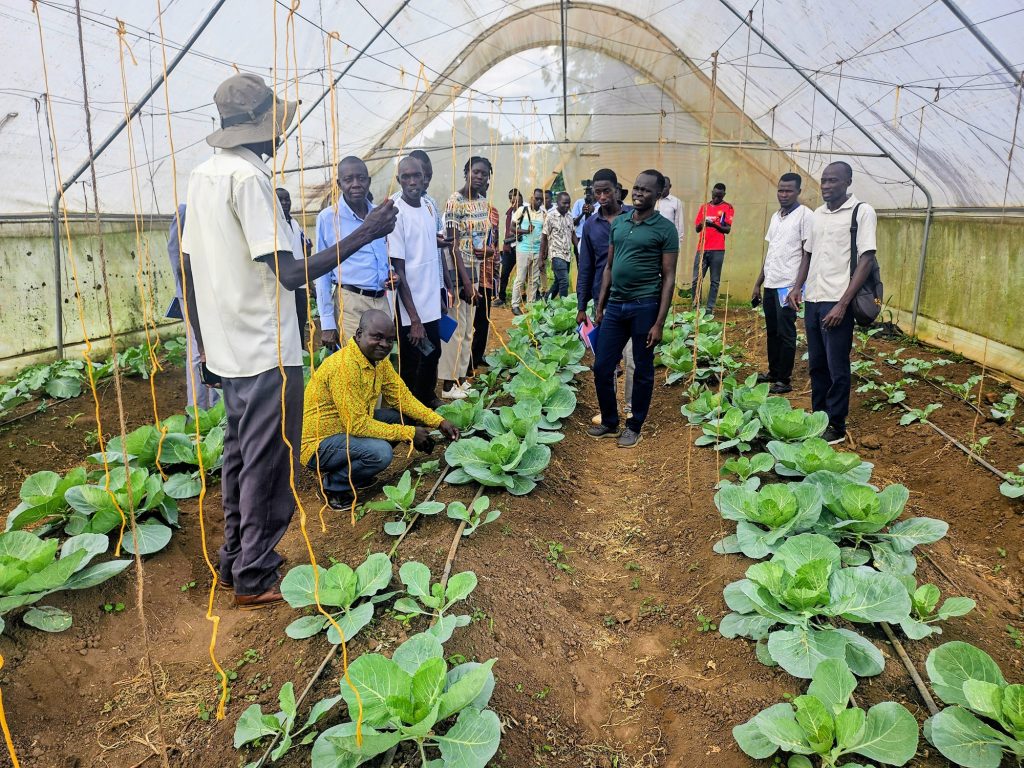
The National Agricultural Research Organisation (NARO) has embarked on a nationwide training programme to enhance journalists’ capacity in reporting agricultural research.
The initiative kicked off on Wednesday at Gracious Palace Hotel in Lira City, bringing
together journalists from the Lango sub-region. The training aims to equip media
professionals with accurate and up-to-date information on agricultural research to improve the quality of reporting in the sector.
“Research has been the bedrock of agriculture in Uganda and across the region. Many of our
locally developed crop varieties have been widely adopted by neighbouring countries,” said Frank Mugabi, Head of Communications at NARO.
He emphasized the importance of ensuring that research information is accurately
communicated, noting that journalists need access to reliable data and context to report
effectively.
“Journalists, like any other professionals, require access to facts and figures to ensure
accuracy in their work. As an agricultural research organization, we place a premium on
accuracy because we generate technologies for a sector that occupies the majority of
Ugandans,” Mugabi added.
During the training, participants were introduced to NARO’s governance structure, the network of research and development institutes, and their various programmatic areas.
Highlights included recent groundbreaking research outputs such as the newly developed
anti-tick vaccine, improved seed and crop varieties, and livestock breeds that address
challenges such as climate change, pests, and disease.
The journalists also visited the Ngetta Zonal Agricultural Research and Development
Institute (Ngetta ZARDI), one of NARO’s nine ZARDIs, which specialize in adaptive
research tailored to Uganda’s nine agro-ecological zones.
In addition, participants gained insights into the work of the seven National Agricultural
Research Institutes (NARIs), which focus on nationally strategic research themes such as
crops, livestock, fisheries and aquaculture, forestry, coffee and cocoa, semi-arid agriculture,and laboratory services.
By connecting journalists with scientists and field-based research, the training aims to foster evidence-based reporting that informs public policy, influences behavior change among farmers, and increases uptake of research innovations.
Agriculture remains the backbone of Uganda’s economy, employing over 70% of the
population and contributing significantly to GDP. Yet, the sector faces persistent challenges such as low productivity, climate shocks, and market inefficiencies. Research-driven solutions are critical to overcoming these hurdles, but only if they reach the people who need them most.
“We want to ensure that science does not stay on the shelves, in labs, or in reports. It must be brought to life through effective storytelling,” Mugabi added. “Journalists are key allies in transforming agriculture through informed communication.”
The training also aligns with the government’s commitment to agricultural transformation
under programs such as the Parish Development Model (PDM) and Agro-Industrialisation Strategy.
Furthermore, it supports Uganda’s obligations to global development goals such as the African Union’s Agenda 2063 and the UN Sustainable Development Goals (SDGs),
particularly those related to food security, climate action, and innovation.
The journalists appreciated the new knowledge they had learnt about NARO.
“The training and field experience were educative. I learnt the importance of the NARO anti- tick vaccine. I will do my best to spread the knowledge to our audience.” Auma Winnie, a reporter with Unity FM in Lira town, noted, adding: “I truly appreciate NARO for the training and advise that more media engagements are done.”
“This session greatly enhanced my agri-journalism skills, deepening my understanding of agricultural research, especially the anti-tick vaccine’s role in livestock health and farmer livelihoods.
The firsthand exposure to NARO’s innovations helped me grasp how science- driven solutions are developed and applied.” Atim Nancy, a journalist with Q FM in Lira, said.
She also noted that she gained insights into aligning media work with development goals,
ensuring that reporting raises awareness of sustainable agricultural practices.
The chairperson Lango United Journalists Association, Patrick Okino, said: “the training
organized by NARO is the first of its kind and the beginning of a long partnership between
the media in Lango and the organization. This means NARO values and underscores vital
roles played by the media in disseminating information on research, science, technology and innovation.”
Similar trainings will be rolled out in other regions, with the goal of building a network of
agricultural media champions who can effectively report on research and catalyse positive change in the sector.
