Vivo Energy, KFC Ink fresh deal
June 20, 2019
MTN Donates Shs50m to Busoga
June 20, 2019
By Richard Kintu
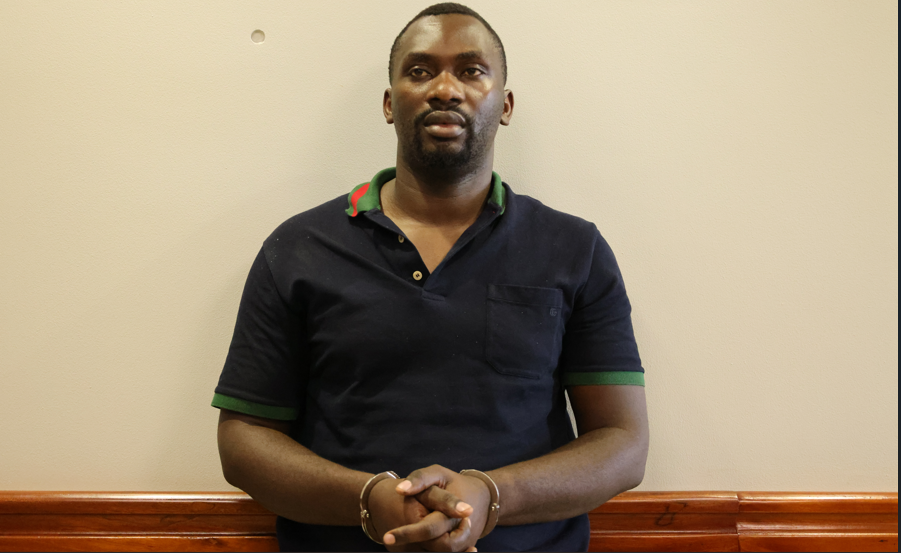
At the height of her powers, Pretty Glo was the talk of town; famed for her beauty and music. Today however, she is beyond the shadow of her former self. She is in fact a living testimony of a grace to grass sad story. Sometime this year, Glo hit her lowest ebb when pictures of her being roughed up for stealing a phone went viral on social media. The unfortunate part though is that these pictures revealed that she is after all just the other half of a thieving couple as her husband Qute Kaye had earlier on been nabbed stealing a car mirror. The saddest bit however, is that this couple is just a small pinch of a long list of Ugandan celebrities that have gone to waste under the weight of narcotic drugs and alcohol. Some of the other artistes in their fold being Napoleone, late Mose Radio, among others.
Drugs finishing off youth
Edward ssempiira, the executive director Life back foundation in Lubowa, says that while the drugs woes of artistes and other celebrities go public, the problem is very big, with money youth going down the narcotics drain.
A recent survey by Uganda Youth Development Link (UYDEL) showed that 45% of youth admitted having used drugs. The report showed another one that ranked Uganda third most ‘drunk’ state in Africa after Nigeria and south Africa respectively.
What’s more worrying is that the patterns and habits of taking the drugs have evolved.
“Apart from alcohol which was being easily accessed because of our culture that somehow encourages early exposure to alcohol, the more advanced drugs like heroine and cocaine are becoming common and easy to access by our youth. This is unlike previously when the most common drugs were marijuana or bhang or weed and khat/mairungi which are locally grown here,” Ssempiira says. Whereas khat was thought to be a harmless herb, Ssempiira says it is as dangerous as any other drug of addiction because it affects the central nervous system which culminates into brain damage after prolonged usage. In Uganda, this drug, unlike marijuana, enjoys minimal crackdown and it is in fact grown and considered a cash crop in parts of Kasenge, Wakiso district and in Butambala district among others.
Usage patterns
Research further shows that while the wretched of the earth get high on very local drugs like marijuana and khat, students from middle class families can access cocaine and heroin. “These are drugs being consumed by university students who get some considerably big sums of pocket money from their parents. The ones in secondary school and upper primary have been found to majorly consume low cost but highly destructive drugs like Mijaj, Kuber and Miraj,” Ssempiira says.
While speaking about his struggle with cocaine following his successful stint in rehab, former music star innocent Asiimwe aka Napoleon of the more money fame stated that a pinch of cocaine (which is known as a ticket in the users’ lingua) goes for between shs20000 and 30000.
“A ticket of heroin costs about 20k depending on seller but one can do 5 to 10 tickets depending on your body’s tolerance,” Asiimwe said.
Going by Asiimwe’s revelation, an addict needs between Shs100,000-200,000 daily to support the vice. Ssempiira reveals that his survey shows that kuber, Miraj and Mijaj which are imported from India cost between shs1000 and 1200 a sachet, which makes it affordable to secondary many school students. Unfortunately, those who can’t afford to get this money from parents resort to stealing so as to nurse their addiction.
Causes
Following years of treating and rehabilitating drug abuse addicts, Ssempiira says most of his clients attribute their getting hooked on drugs and alcohol following influence from peers. This is coupled with enabling factors like negligence by parents as well as school authorities.
“Many youth are introduced to drugs by peers who always recommend them to non-users as remedies to conflicts or challenges they may be experiencing at the time. The non-users begin with one shot at the drugs and before they know it they are addicted,” he says.
Sadly, drugs only ofer temporary escape from the problems which instantly stare back in the faces of the users once they are sober again.
“That explains the repeated use leading to addiction. To the artistes the challenge could be stage fright or the pressure of hit songs while others may just take drugs to fit within the image of a certain group, let’s say gangster rappers.” Ssempira however adds that lately, addiction to prescription (clinical) drugs— especially pain killers— is on the rise in Uganda and these start with pain-inducing illnesses like accidents or other strong aches.
Explaining her battle with drugs, ex-Blu3 songstress Jackie Chandiru noted that she got hooked on prescription drugs and not cocaine or heroine like earlier thought. She attributed the repeated use and eventual addiction to a chronic back problem.
“Yes, I had problems. I started using pain killers after a bad accident which gave me serious back pain. Somehow that painkiller is very addictive. Time reached when the body would just demand the prescription drug which was prescribed by the doctor. I got addicted to it and that is what took to the hospital,” she explained.
Meanwhile, sources close to ex-singer Qute Kaye say he resorted to drugs in a desperate attempt to escape the reality of a glittering career that was slipping out of his grip.
“When he rose with a hit song Ginkeese he backed it up with handsome looks that saw women like diva Iryn Namubiru confess to crushing on him. However, he failed to get a follow-up and before we knew it, he was complaining of being diddled by his managers. He said it was in the midst of these problems that some peers introduced him to drugs to ‘help’ him forget the troubles,” a source said. Unfortunately, Kaye never recovered from the addiction and we have learnt that his mum gave up on him after he escaped from rehab where he had been taken for treatment— just like his lover Pretty Glo did recently after being booked in by Bad Black.
Signs, addiction, Treatment
Sssempiira says that the journey to addiction is a process that begins with experimenting on these drugs for the first time. This stage is critical because it determines whether one continues usage of the drug or not. Those who get bad experiences usually abandon the drugs for good while those who derive pleasure or results for initial use continue. First they use the drug on a social basis; which is an acceptable standard. “At this level users can manage the drugs and show no weird behavior due to use of the drugs,” Ssempiira says. From social usage however, many users become dependent on the drugs, making it hard for them to live normally without the drugs in their bodies. It is at this point that people in this stage graduate to addiction. Also referred to as substance use disorder, addiction, Ssempiira says, is a state of recurrent use of a substance regardless of whether it causes physically or clinically functional impairment to the user.
Addiction can be mild, moderate or severe. This, Ssempiira says, depends on the type and duration of drug used.
For parents, it is vital to watch out for the signs of drug use and/or addiction in your children. “There are many signs but the most common include: red eyes in the absence of a known sickness, excessive energy especially for abusers of stimulants like marijuana, unexplained wounds and needle pricks as well as strange sweating. Emotionally and psychologically; insomnia, hallucinations, mood swings, and confusion. In terms of behavior, a bright student can all of a sudden begin performing poorly while others see a decline in performance at work.
Treatment
While there is nothing good about drugs, the only hope for people affected by addiction is that Uganda is quickly catching up in terms of rehabilitation and treatment of drugs. Unlike the past when there was entirely Butabika hospital to provide such services, today many private players have joined the effort of bringing Ugandan youth from the dungeons of waste. Ssempiira, whose Life Back Foundation is relatively new in the business, says treating addiction is quite expensive especially for the average Ugandan, the benefits outweigh the cost implication.
By the time a drug user reaches addiction stage the body is under attack and so failure to act fast can prove fatal at times. Some of the adverse effects of drugs include: brain damage leading to mental illness or death, intoxication, headache, loss of appetite.
The rehabilitation process begins with isolation of the patient to cut out the peer pressures and drug access points. This is followed by a detoxification regime to reduce the intoxication. During this process however, patients can suffer withdrawal syndrome and as such substitutes to the drugs are administered to mitigate this. The treatment also involves regular medication supplemented with psychological counseling sessions. Towards the end, skills training is accorded to the patient to help integrate them back into normal society. “Every step in this process requires an expert and many times we outsource whenever necessary. This is why sometimes the cost goes up a little but all this is intended to cure the person completely,” Ssempiira says. He however warns that completely healing largely depends on the addict who must first appreciate the need to get back to normal health. “That’s why some people relapse back to the drugs and in the end they require even more care and treatment than before,” he says.