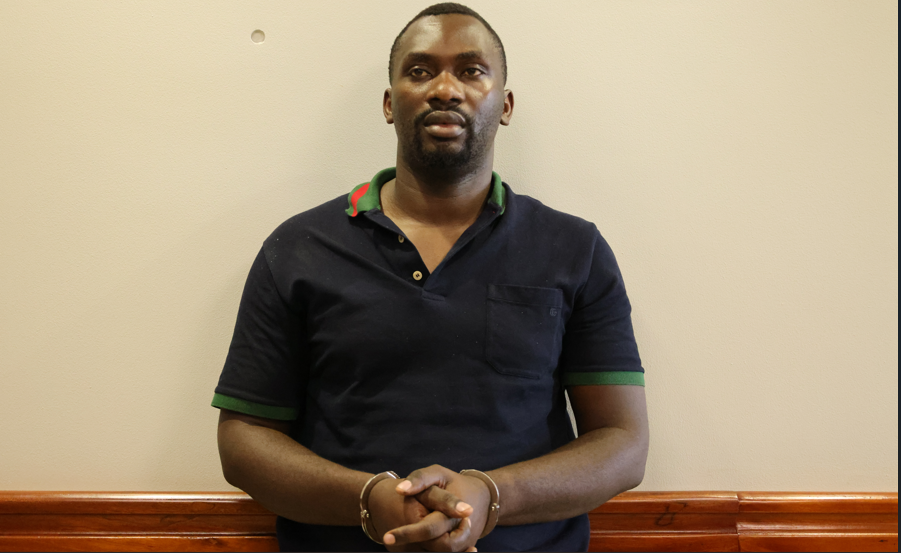
ENTEBBE AIRPORT: Drug Lords Arrested
September 8, 2020
Consider salary arrears bail out for private schools -EPRC researcher
September 10, 2020
By George Mangula
Effective October 1, 2020, competitive bidding in the primary market for government securities shall be limited to only seven primary dealer banks, Bank of Uganda (BoU) has said in a media statement.
The banks selected from a list of other bidders as primary dealer banks are; ABSA Bank , Bank of Baroda, Centenary Bank , DFCU Bank, Housing Finance Bank , Stanbic Bank and Standard Chartered Bank. They will deal in treasury bills and treasury bonds offered by the government to raise funds for development activities in the country.
“I…want to take this opportunity to announce that after an evaluation process that started early this year, the following seven banks have now been appointed Primary Dealer Banks for a period of three years,” says BoU Governor Prof. Emmanuel Tumusiime-Mutebile, who adds the selected banks will participate in primary dealer business for a period of three years.
BoU, which is Uganda’s central bank, says the move is aimed at enhancing liquidity in the secondary market.
Additionally, Tumusiime-Mutebile urges investors to continue submitting their bids to their respective commercial banks where they will be well served. All commercial banks will continue to access the primary market for noncompetitive bids (below Shs200 million). However, for competitive bids (those above Shs200 million), Non-Primary Dealer Banks will access government securities from the Primary Dealer Banks in the secondary market.”
“I would like to take this opportunity to congratulate the new Primary Dealer Banks and to say that the Bank of Uganda looks forward to a more vibrant secondary market for Government securities in Uganda.”
He says as part of the process of increasing efficiency and enhancing liquidity in the financial market, BoU in collaboration with the Ministry of Finance, Planning and Economic Development, has undertaken reforms to the government securities market. These reforms, he says, have in part included automation of the auction processes to enhance efficiency and price transparency, which has increased the global visibility of Uganda’s financial markets.
Challenges still exist in secondary market
The governor says that while the reforms have been successful in promoting a vibrant primary market, challenges nonetheless remain in the secondary market, as the trades have remained persistently low. In the financial year 2019/20, he says, the turnover in the secondary market was recorded at 41 percent of the total outstanding stock of Government securities. “This means that 59 percent of the total outstanding stock of Government securities was not traded at all, and was simply held till maturity.”
He adds: “This is quite low compared to say, South Africa, where secondary market turnover amounts to 1,200 percent of the total outstanding stock of Government securities. This means that in South Africa, the total outstanding stock of Government securities changes hands 12 times in a year, which substantially increases liquidity in the market.”
According to the official, the increased liquidity of the government securities market enhances the attractiveness of the securities as it facilitates the ease of entry and exit into the financial market. He says it also strengthens a country’s ability to withstand exogenous shocks to the economy, as offshore investors would be more assured of stability in prices as opposed to the expectation of heightened volatility in illiquid markets.