Best Deal Ever: Finance Ministry Defends Deal with Italian Coffee Company
April 15, 2022
Tycoon Patel Visits Kyabazinga At Budhumbula Royal Farm
April 21, 2022
In the wee hours of the night of 12th March 2022, three men were spotted in a heated exchange with some physical attacks that bordered on getting violent. They had emerged out of a Kampala bound passenger bus from West Nile Region that was stopped for a routine revenue inspection at the URA Pakwach checkpoint. One of the passengers was seen with two bulges on his waistline, raising suspicion between the bus manager and ticket booking clerk. The bus employees asked the passenger to step outside, where they interrogated him over possession of suspicious body-tagged “cargo”.
The scuffle between the trio attracted the attention of the URA customs enforcement team. Upon probing, the traveller accused the bus managers of harassment. A UPDF officer attached to URA retrieved the traveller from the chaos and had to help secure one of the packages that the bus handlers had taken. Upon retrieval and opening outside the URA offices, the team discovered pieces of over 5kgs of raw gold said to have originated from the Democratic Republic of Congo (DRC). They took the gold to the URA Pakwach office and bundled it up for safe storage, after sight acknowledgement from the station head.
A few minutes after 2:00 am in the morning, the URA team consulted with the headquarters for guidance on the way forward. Given the risky and life-threatening nature of dealing in gold, the authority’s management advised everyone to stay guard in the office and wait for a resolution in the morning.
At day break, Indians alleged to own the gold came to the Pakwach offices to count the gold pieces, but said that the quantity was less than expected. Apparently, the carrier was supposed to deliver 48 pieces, but the samples impounded only added up to 36 pieces. Impossible to imagine, a thorough search ensued where the URA offices were turned upside down; the team that spent the night at the Pakwach station was body searched as well, nothing was found, only for another five pieces to appear in the washrooms.
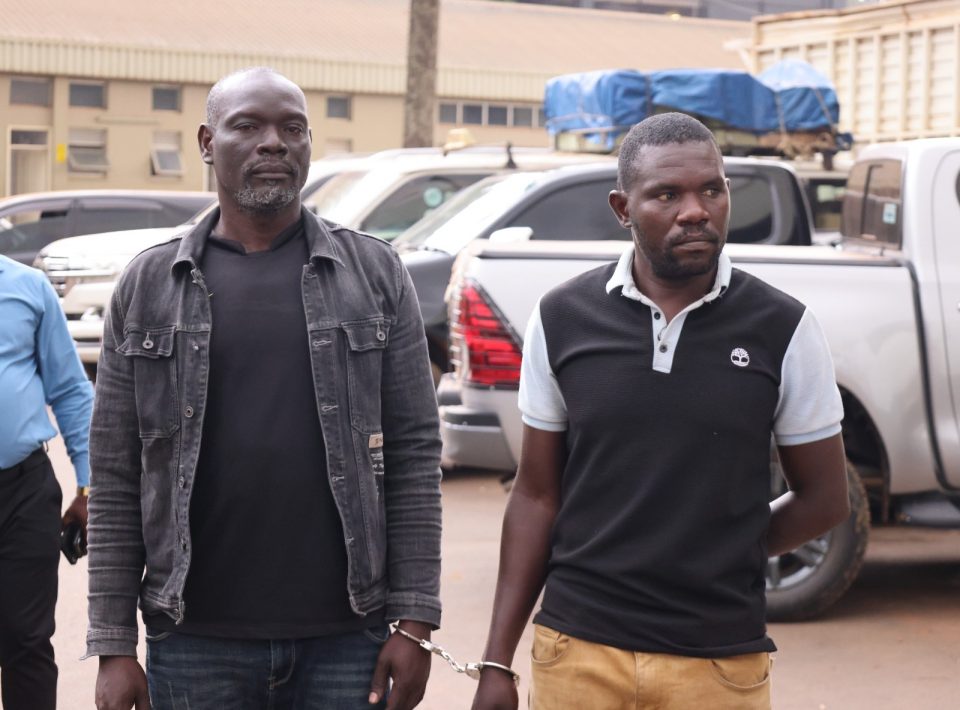
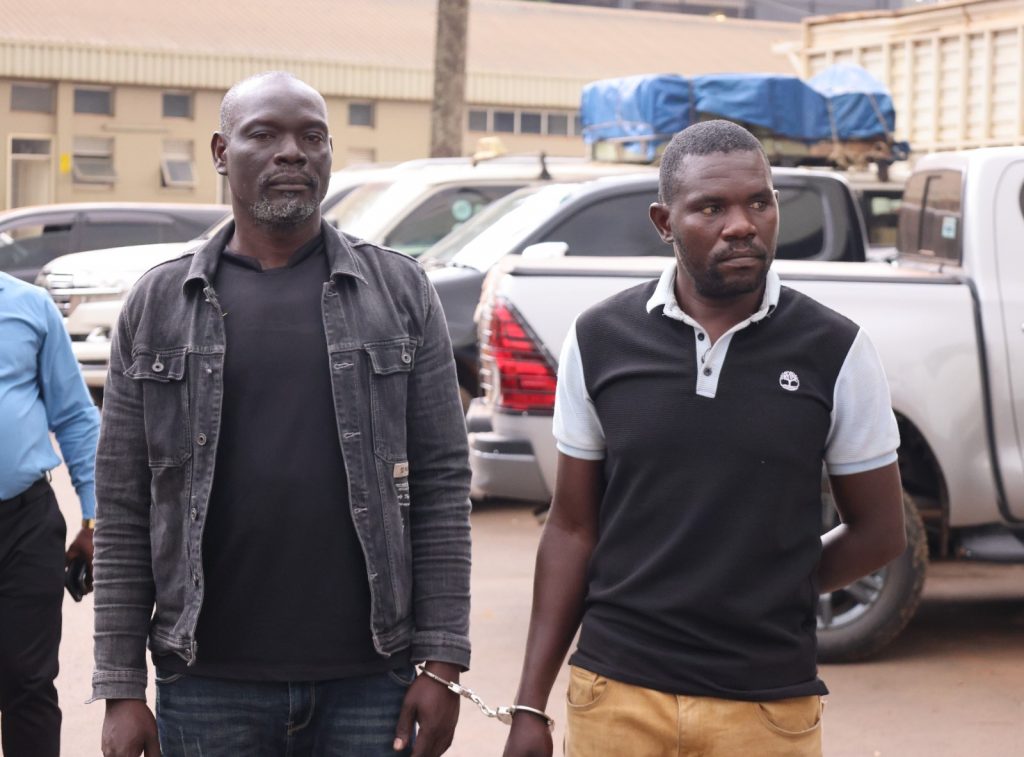
Interrogations into who took the pieces to the toilet were futile because all the persons involved denied responsibility and gave a logical reason that while keeping watch of the minerals in the night, they all used the same toilet. Everyone denied having taken the missing pieces or dumped the recovered pieces. As a result, the team was rounded up and arrested by police as probes to uncover the mystery of the missing seven pieces continued.
Later, the 5.129.3 grams of gold exhibits were brought to the URA Nakawa offices. The Assistant Commissioner Enforcement, Julius Nkwasire, handed them to Patel Himatbi, an Indian national, identified as the owner of the gold.
Uganda is strategically placed as a regional hub that refines gold into a product fit for the international market. Traders across East Africa often utilise Uganda’s seven refineries to process gold before it hits the market.
The Pakwach incident could hurt gold business in Uganda and place the country in bad light given the recent UN report, which implicated the Pearl of Africa as one of the nations that plundered the natural resources and minerals from DRC, with fines to a tune of USD 325 million.
Due to the delicacy surrounding the gold trade, URA softened the customs clearing process for this mineral, with dealers declaring and handling all the importation procedures and revenue payments when the gold is at the gate of the refinery. This process requires the owner of the goods to present the purchasing invoice, an analysis and valuation report certifying that the mineral presented is genuine, a packing list since the stones have varying weights, and a verifiable source of origin/supplier.
This business facilitation exception could be one of the reasons that led to a recent media report that implicates URA as an agency aiding gold smuggling into Uganda.
With the recent changes in the authority’s management, URA has consistently preached the gospel of integrity and fronted the zero tolerance to corruption policy, especially to their staff. In addition, this government entity centres on enhancing trade facilitation and drumming up support for developing the country’s economy.
After this incident, URA has amended the guidelines on clearance, recognising the sensitivity of management and processing of mineral exports and re-exports such as gold. The exporter appoints a clearing agent for minerals mined and processed in Uganda that are declared for export.
The agent captures a customs export declaration on the bill of entry, export license, export permit from the Ministry responsible for the minerals, certificate of analysis and valuation, export invoice, export tax payments, royalty payments, certificate of origin, and bill of lading. Upon release of the entry from the Central Document Processing Centre (DPC), the agent then follows through with the loading as either cargo or passenger baggage.
For transit or re-export minerals, a declaration must be made and bonded at the point of entry. IM4 declaration will be made for minerals destined for refineries at borders or refinery gates. The refinery appoints a clearing agent after refining, and the agent captures export documentation as mentioned above.
When contacted, URA is planning an engagement with the sector association and stakeholders in the gold importation process on the procedures and controls and what it means to the gold business. The gold dealers have been urged to tighten the loose ends among their stakeholders and look into boosting security for their trade to be protected.
An internal probe into the implicated staff is underway as URA seeks to investigate the missing gold, with looming penalties and disciplinary action against its staff once details fall into place. To kick start the legal process, all the persons implicated in this case will face prosecution. However, this process must be followed through by the gold owner, who has to produce the gold samples he collected and the documents required for clearance before the mineral is refined.
Several gaps remain glaring in this scenario. Did the carrier receive the alleged 6.2kgs that Mr Himatbi was expecting? How did the carrier ascertain the quantity he received before leaving for Uganda? Did the bus managers pick out the pieces during the scuffle? Was the gold taken by the URA officers when it reached the Pakwach station at night? How will URA ascertain the authenticity of the details in the ownership documents presented by the gold owner, given that people forge documents all the time?
Whoever took the missing gold remains a mystery to be solved by the on-going investigations into the disappearance of the alleged gold.