Truck Driver Eats Police Chief, Flees as cop is isolated
April 30, 2020
FINCA Uganda total assets jump 21.2 percent in 2019
April 30, 2020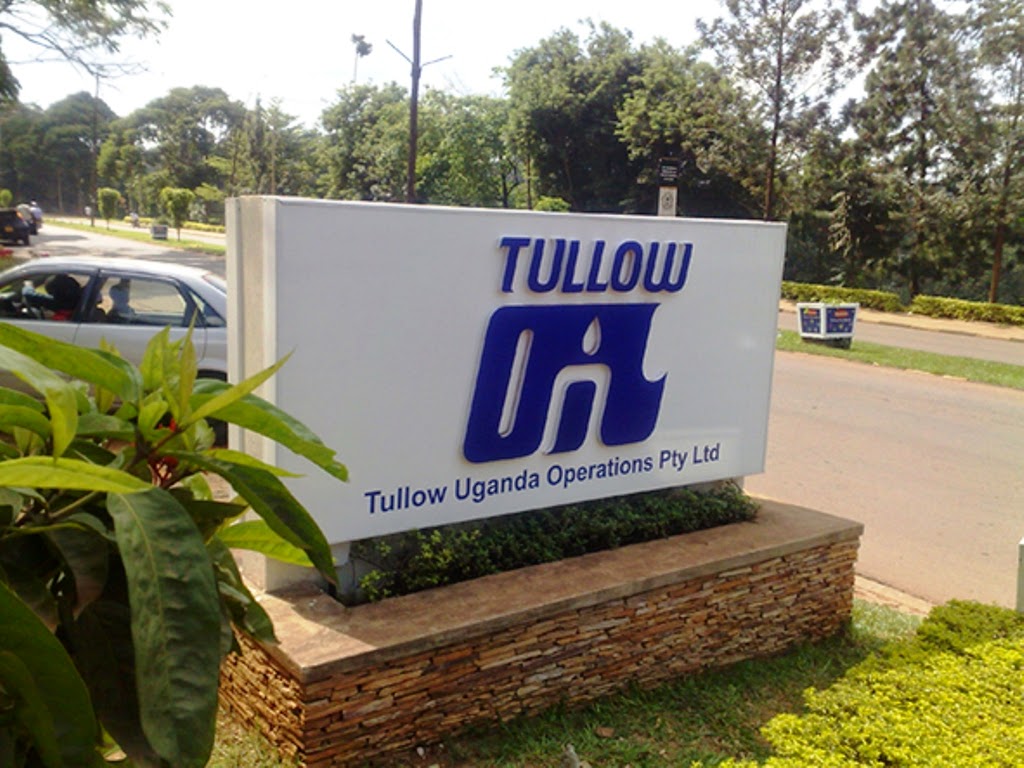
By George Mangula
Environmental activists representing over 20 civil society organisations (CSOs) working to prevent oil threats and abuses in Uganda have called on the Ministry of Energy and Ugandan citizens to reject the planned sale of Tullow Oil’s entire stake in the Lake Albert oil project to Total.
The CSOs made the above call following the recent announcement by Total in which the company said that it was set to acquire Tullow’s 33.33 percent stake in the Lake Albert oil project at a price of U$575 million. Of this, US$500 million is expected to be paid immediately after the sale is acquiesced to by Uganda’s government, Tullow’s shareholders and other parties. The remaining $75 million will be paid after the Final Investment Decision (FID) has been made.
Tullow is also expected to earn “conditional payments linked to production and oil price, which will be triggered when crude oil prices are above US$62/bbl,” a statement that was released by Total said. Uganda is expected to earn US$14.6 million in tax from the sale. This is US$152.4 million less than the capital gains tax (CGT) of US$167 million that Uganda Revenue Authority (URA) had assessed on the sale of 21.57% of Tullow’s stake to Total and CNOOC in 2019.
The CSOs urge that the decline in tax is an unfortunate travesty that will end up hurting Ugandans. “It is unfortunate that Uganda is set to lose oil revenues once again especially at a time like this when government needs revenues to support the economy and Ugandans who have been hit by Coronavirus. Since oil companies started operating and selling their assets to each other in Uganda, Ugandans have suffered long court battles, bullying and have been losers when it comes to tax.
First, the Ugandan government suffered a long court battle in trying to collect US$434 million in taxes following the sale between Heritage Oil and Tullow Oil in 2010. Later on, when Tullow Oil sold 66 percent of its shares to Total and CNOOC in 2012, government lost US$157 million in taxes on the sale of US$2.9 billion. Tullow was supposed to pay Uganda US$407 million in capital gains tax as was ruled by the Tax Appeals Tribunal but the company ended up paying only US$250 million. Today, government is set to lose US$152.4 million.
The deal in which government should have earned US$152.4 million in capital gains tax collapsed because government was demanding for the tax that it was supposed to rightfully earn. Government’s failure to collect taxes is hurting Ugandans and small businesses which have to fill the gap left by big companies. This is unacceptable and government including Ministry of Energy, parliament in addition to citizens must reject the deal between Total and Tullow,” Dickens Kamugisha, the CEO of Africa Institute for Energy Governance (AFIEGO) says.
It is noteworthy that following the announcement by Total, the Ministry of Energy and Mineral Development (MEMD) released a press statement through which the ministry welcomed the sale. The ministry’s Permanent Secretary, Robert Kasande, said that government was reviewing the Sale and Purchase Agreement that the oil companies had submitted to it in order to grant the necessary approvals for conclusion of the transaction.
“We (CSOs) are at a loss and cannot understand why the Ministry of Energy is welcoming oil sector transactions at a time when crude oil prices are low. No country that cares about its citizens can allow oil transactions to take place at a time like this when no country can get a good oil deal from oil companies. The fact that the Ugandan government is willing to conclude oil transactions in such an unconducive atmosphere is questionable. In addition, the fact that the companies are using the desperation of poor and corrupt countries such as Uganda to their advantage at the expense of citizens is shameful,” Sam Mucunguzi of Citizens Concern Africa (CICOA) says and reechoes the call to Ugandans to reject the planned sale until oil prices increase to up to US$80 per barrel to enable Uganda’s oil can earn a profit.
The CSOs have warned that should Uganda approve the bad transaction which is also lacking in transparency, the country will set a bad precedent that will be used to further undermine the country’s oil revenue earning power.
“All oil-producing countries in sub-Saharan Africa have failed to transform citizens’ lives using oil revenues. This is largely because of greed, corruption and signing of secret bad deals that undermine tax collection and accountability among others. Uganda is set to tread the path of those African oil producers. Already, one former Ugandan Minister of Energy admitted that she signed an agreement waiving US$157 million tax that Tullow owed Uganda without reading the agreement. The above waiver was made possible because of lack of transparency that could see citizens holding the former minister accountable. Today, the Ugandan government is keen to once again approve a hush-hush bad deal whose contents Ugandans are not well aware of. This lack of transparency is bad and Ugandans should 3 demand that the planned transaction is rejected until the Coronavirus pandemic is over and parliament in addition to citizens have full details of the planned sale,” Ms. Proscovia Nabakooza of Citizens Centre for Conserving says.
The CSOs also say that the bad precedent being set by government through allowing to collect less tax are further weakening it. This weakness will be used by oil companies to destroy the environment and communities’ livelihoods amidst oil threats. “It is already evident that oil companies take government for granted. For instance, the CSOs allege, Total, which wants to become the biggest oil sector company player in Uganda, has been submitting incomplete Environmental and Social Impact Assessment [ESIA] reports for oil projects such as the Tilenga and East African Crude Oil Pipeline ones.
The CSOs allege that reports lack complete mitigation plans needed to avoid and/or minimise oil impacts on communities and the environment. The same company has also been accused of under-compensating project-affected people under the Tilenga project and has been accused of committing other environmental and human rights abuses, the environmental activists say. “The company has been taken to court in France over this. However, the Ugandan government, which is already being taken for granted, wants to cede more powers to Total. This will leave Ugandans at the mercy of the company and this is unacceptable.”
“Ugandans should call on the Ministry of Energy to reject the planned sale and should demand that government approves the sale after the court cases against Total in Uganda and France have been concluded,”Yoram Banyezaki of the Guild Presidents’ Forum on Energy Governance (GPFOG) says.
The CSOs say that should the Minister of Energy ignore their above calls and the transaction is approved without citizen and parliamentary oversight, parliament should censure the Minister of Energy.