UCC suspends sim card registration over fraud
October 7, 2019
Inside UCC’s probe report on 13 broadcasters
October 7, 2019
By George Mangula
The Bank of Uganda (BoU) needs to purchase a total of about Sh3.7 trillion in hard currency for external debt servicing, debt repayment among other financial obligation in the current financial year, according to its Governor Prof.Emmanuel Tumusiime-Mutebile.
“These hard currency purchases will ensure that the international reserve level is maintained at the current level of 4.1 months of imports of goods and services,” Mutebile said, adding that the required currency purchases are estimated to go up in the next five years before the country starts getting proceeds from the oil industry.
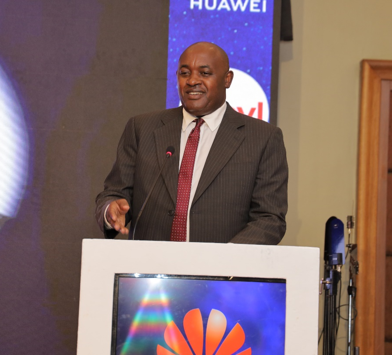
Tumusiime-Mutebile’s concern was delivered by his deputy, Dr Louis Kasekende, at a conference convened by the International Monetary Fund (IMF), the African Development Bank and the Ministry of Finance Planning and Economic Development at the Serena Conference Centre in Kampala.
Organised under the theme; “Infrastructure and Human Investment for Growth and Development in Uganda: An Application of the Augmented Debt, Investment and Growth Model”, the conference featured discussions on the implications of the key policy choices for Uganda’s economy.
The Founder and Executive Director of the Centre for Budget and Tax Policy (CbtpAfrica), Patrick Kiconco Katabaazi said that Tumusiime-Mutebile’s revelation was evidence of the worrying trend at which Uganda’s debt is growing.
“If this heavy dependency on loans is not curtailed, our debt is likely to hit the unsustainable levels beyond by the limits set under the East Africa Currency Convergence criteria,” he said.
Katabaazi, an economist, budget and tax policy specialist, also noted that most of the country’s debt has been heavily oriented towards physical infrastructure projects such as roads and power dams at the expense of human capital development.
It is this imbalance according to Katabaazi that is pushing policymakers, researchers and other stakeholders to rethink policy choices on how best to achieve sustainable development.
“Investment in infrastructure alone is inadequate. This is why there is growing debate for governments in Uganda and the continent at large to start looking for strategic investments in human capital development,” he said.
While making a presentation of a paper titled, ‘Leveraging Oil for Public Investment and Inclusive Growth in Uganda’, Prof Edward F. Buffie of the African Development Bank, illustrated the different scenarios for an optimal investment mix.
“An optimal investment mix is approximately 30-40% share of infrastructure, 40-50% for basic education, and 20% for upper-level education,” he explained. This scenario is however feasible with reforms that eliminate waste.
Dr Kasekende, explained that the country is currently playing ‘catchup’ after having taken a deliberate move to invest in social development in the 1990s. This could, therefore, explain the recent massive investment in infrastructure as compared to human capital development.
According to IMF Resident Representative in Uganda, Clara Mira, said the conversation was critical for the ongoing discussion on the National Development Plan 111. Analysts said it was important to assess how all these fit in delivering the vision 2040.