A TURN OF THE TIDE: Uganda Unveils Homegrown Anti-Tick Vaccine in Major Leap for Africa’s Livestock Sector
May 24, 2026
Namuganza: I have officially withdrawn from the race for Speaker of the 12th Parliament
May 24, 2026Beyond the Polls: Louis Kimuli Leverages 2026 Election Experience to Train Next generation of Youth Leaders

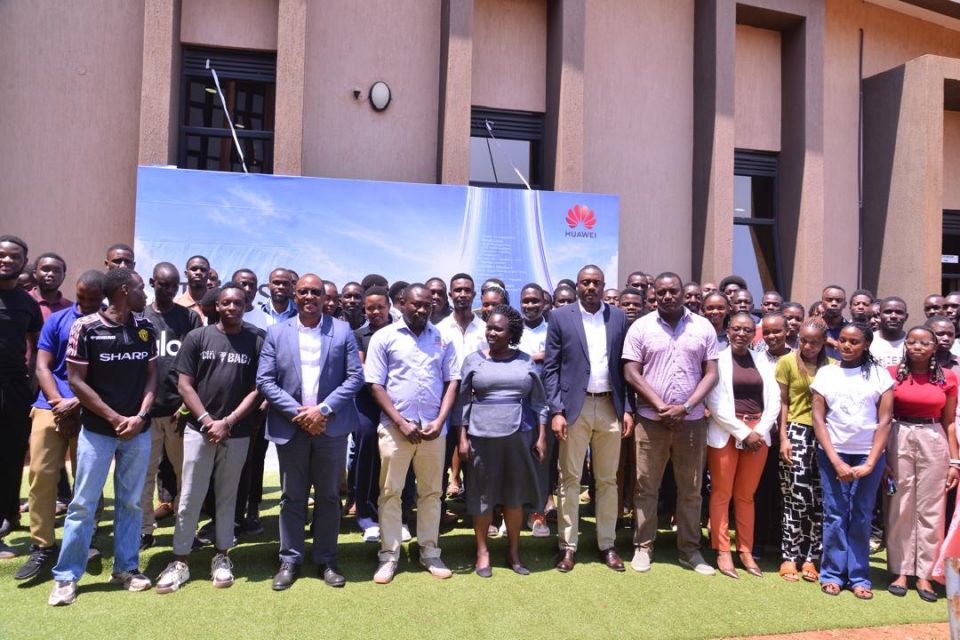
Kimuli (Right) shakes hands with one of the youth leaders during a mentorship gathering.
KAMPALA — Louis Kimuli sat back in his office in Kololo on Thursday afternoon and spoke about a political loss that, by his own account, reshaped how he thinks about leadership. But he did not linger on the loss long.
Losing an election changes people. Some step away from politics completely. Others stay involved, but with a different set of priorities. For Kimuli, the experience threw a harsh light on something bigger than one campaign. It exposed a preparation gap — one he has spent the time since trying to close.
After contesting for the Central Region Youth Member of Parliament seat in the previous election cycle, he says the campaign brought him face to face with how many young people step into public life with energy and good intentions, but little grounding in what it actually takes to lead.
“Young candidates come in with energy and hope,” Kimuli said, “but many are entering a system they barely understand.”
That observation did not just stay with him. It became the seed of the Kimuli World Foundation, an organisation that now runs monthly mentorship sessions for young people in Kampala and Wakiso. So far, the initiative has worked with about 180 aspiring youth leaders, with plans underway to extend the programme to other regions.
The foundation focuses on something that sits between ambition and reality — the civic, emotional, and ethical pressures that often hit young leaders long before they ever hold office. What it tries to do, in spirit, is not far from the kind of leadership incubation associated with the Mandela Washington Fellowship or the homegrown youth programmes run by organisations like the Open Space Centre: long-term investment in character, not just campaign readiness.
Uganda remains one of the youngest countries in the world. Preliminary findings from the Uganda Bureau of Statistics’ 2024 National Population and Housing Census indicate that nearly 78 percent of the population is below the age of 35. Yet that demographic weight has not translated easily into leadership spaces. For many young people, the door barely opens unless they bring financial backing, political connections, or influential networks.
Kimuli said those realities became clearer to him during the campaign period, but the foundation was never designed to simply help young people recover from lost elections.
“There’s a lot nobody tells you,” he said. “The pressure, the financial strain, the expectations from different people. Some young leaders begin compromising much earlier than they expected because they feel they have no option.”
The foundation deliberately steps away from the big-hall motivational seminar model. Instead, it brings together students, youth leaders, and aspiring politicians for smaller, grounded discussions. Sessions wrestle with the questions that tend to be pushed aside by the noise of political season — how to mobilise without relying on handouts, how to handle public criticism without losing your nerve, how to build a team that outlasts a single election cycle.
Mutoni Dianah, 26, a youth leader in Kampala who has been part of the programme, said the sessions gave her a framework she hadn’t found elsewhere.
“The sessions on financial management and accountability changed the way I think about leadership,” she said. “I now understand that leadership is not about popularity alone. It also comes with responsibility.”
In Uganda’s political environment, where money often shapes mobilisation and visibility, young candidates without resources are easily crowded out. The National Youth Council’s 2022 State of the Youth Report noted that unemployment and economic vulnerability continue to expose young people to manipulation during election periods. Kimuli’s foundation tries to equip them with enough civic footing to resist that pull.
“If somebody does not understand service, pressure can easily change them,” he said. “Leadership is not only about winning votes. What matters is what happens after people trust you with responsibility.”
Dr Sarah Bireete, Executive Director of the Centre for Constitutional Governance, said mentorship initiatives that target young leaders before and beyond campaign cycles are becoming increasingly important.
“A lot of young people enter politics excited, but many are not prepared for the pressure and frustrations that come with public office,” she said. “Programmes that focus on ethics, accountability, and resilience help fill that gap.”
Observers note that Uganda has no shortage of ambitious young politicians, but too many first-time leaders enter public office with sparse mentorship and only a thin understanding of how institutions actually work. The foundation’s quiet insistence on preparation over popularity is what has started drawing attention from youth groups and community organisers.
Kimuli speaks openly about the pressures of leadership because he has felt them personally on the campaign trail. But the work now is not about him. It is about raising a generation that steps into public life with eyes open.
“Even when things are not moving well, people still expect you to keep going and appear confident,” he said. “We want young people to know that leadership is something you prepare for, not just something you chase.”
The foundation plans to expand its activities to Gulu and Mbarara before the end of 2026 and is currently seeking partnerships with universities to integrate mentorship and civic training into student leadership programmes.