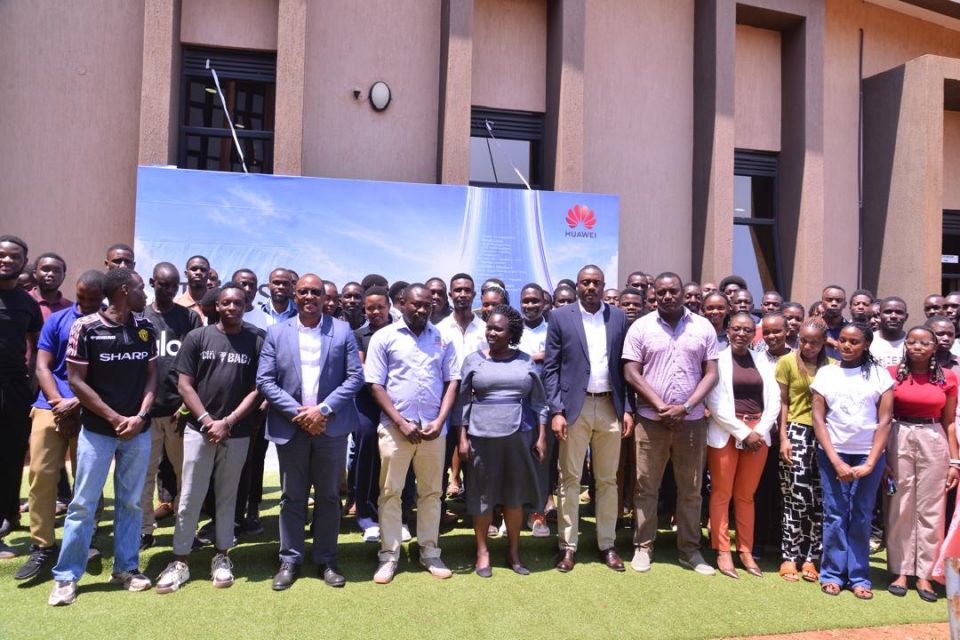
Huawei Technologies Uganda celebrates the Digital Skilling Program through its DigiTruck Project to empower over 6000 Ugandans
March 13, 2025
Col. Chris Magezi Named as Acting Army Spokesman
March 13, 2025Election-Year Economics – How Businesses Can Stay Financially Strong Amid Political Shifts

Joshua Kato
By Joshua Kato
Are you worried about how the 2025 election season might affect your business finances? Political cycles have a well-documented impact on economies, and Uganda is no exception. As the country gears up for the 2026 presidential elections, 2025 is set to be a year of political debates, government spending spikes, policy uncertainties, and fluctuating business conditions. Economic unpredictability is common during election periods, driven by factors such as shifts in government expenditure, investor anxiety, tax policy adjustments, and potential inflationary pressures. Business owners must anticipate and prepare for these realities to maintain financial stability and avoid fiscal shocks. Understanding the link between election cycles and economic conditions will help businesses make informed financial decisions that safeguard their operations.
One of the major concerns for businesses in an election year is the impact of increased government expenditure. Historically, election years come with a surge in public spending, often aimed at funding campaign promises and infrastructure projects to gain political favor. While this injection of funds can temporarily boost certain sectors like construction, agriculture, and public services, it can also lead to unintended consequences such as increased inflation, depreciation of the Ugandan shilling, and rising interest rates. If government spending exceeds revenue collection, the country may experience a budget deficit, forcing authorities to either increase borrowing or introduce new tax measures to bridge the gap. Business owners should be aware that such fiscal policies can affect their operational costs, pricing strategies, and overall profitability.
Another critical issue businesses face in an election year is tax policy uncertainty. Political candidates often propose changes to tax policies as part of their campaign strategies, promising either tax reliefs to gain favor with voters or new tax measures to fund proposed projects. Uganda’s tax authority, the Uganda Revenue Authority (URA), may also intensify tax enforcement efforts in anticipation of potential revenue shortfalls. Business owners must remain proactive in their tax planning by ensuring compliance with existing tax laws, keeping financial records updated, and seeking expert advice on potential tax changes. It is also advisable for businesses to monitor the national budget cycle and political manifestos to anticipate how tax policies might evolve in the election aftermath.
The investment climate is another area that experiences significant shifts during an election period. Uncertainty surrounding electoral outcomes and future government policies often leads to reduced foreign direct investment (FDI) and domestic capital expenditure. Investors tend to adopt a wait-and-see approach, delaying major financial commitments until after elections. This slowdown can affect industries reliant on external funding, such as real estate, manufacturing, and financial services. Businesses should mitigate the impact of investment uncertainty by diversifying revenue streams, improving cash flow management, and maintaining financial reserves to cushion against potential downturns. Additionally, local businesses should explore alternative financing options, such as venture capital, private equity, or strategic partnerships, to sustain growth during periods of investor hesitation.
Inflationary pressures are another common challenge during election years. Increased government spending, coupled with potential supply chain disruptions and currency depreciation, often results in higher inflation rates. The cost of goods and services may rise, affecting both businesses and consumers. Inflation erodes purchasing power, leading to decreased consumer spending, which can negatively impact sales revenue. Businesses should consider adjusting their pricing models, negotiating long-term contracts with suppliers to hedge against price volatility, and managing inventory strategically to avoid stock shortages or overstocking. Additionally, financial planning should include a review of cost structures and efficiency measures to ensure sustainability.
Given the economic uncertainties associated with elections, businesses must adopt a prudent budgeting approach. The first step in effective budget planning is conducting a thorough financial risk assessment. Business owners should analyze past election-year trends and identify how similar economic conditions affected their industries. This analysis will help in forecasting revenue projections and adjusting expenditure accordingly. A conservative budgeting approach is recommended, prioritizing essential expenses while delaying non-critical investments until after the election period. Establishing an emergency fund can also provide a financial cushion in case of unforeseen disruptions.
Another important aspect of navigating an election-year economy is maintaining strong stakeholder relationships. Businesses should engage with policymakers, industry associations, and financial advisors to stay informed about potential economic and regulatory changes. Close collaboration with banks and financial institutions can also provide access to credit facilities or restructuring options in case of liquidity challenges. Furthermore, clear communication with customers and suppliers is essential to manage expectations and foster business continuity during uncertain times.
Tax compliance and strategic financial reporting will play a crucial role in helping businesses stay resilient. The URA is likely to enhance tax audits and compliance checks as part of its revenue collection strategy. Businesses should ensure that their tax filings, VAT returns, and payroll tax obligations are up to date to avoid penalties and legal complications. Engaging professional tax consultants can help businesses navigate complex tax matters and optimize tax planning strategies. Moreover, businesses should take advantage of any government tax incentives or relief programs that may be introduced to support economic stability during the election period.
It is also advisable for businesses to review and strengthen their corporate governance frameworks. Strong governance practices, including risk management policies, financial transparency, and ethical business conduct, can enhance investor confidence and operational stability. Businesses that demonstrate financial discipline and compliance with regulatory standards are better positioned to attract investment and sustain growth regardless of political transitions.
Lastly, businesses must prepare for post-election economic recovery. Once elections conclude, the focus will shift to economic rebuilding and policy implementation. Businesses should monitor new government policies, regulatory changes, and economic recovery plans that may affect their industries. Proactively adjusting business strategies to align with post-election economic trends can provide a competitive advantage. Additionally, engaging in corporate social responsibility (CSR) initiatives and contributing to community development projects can enhance brand reputation and strengthen customer loyalty in the long run.
Uganda’s business community must remain agile, informed, and prepared to adapt to the evolving economic landscape as the nation heads toward the 2026 elections.
The writer is a Chartered Accountant and Tax Advisor – kjoshuakato@gmail.com