Cranes defender Murushid Jjuuko leaves Tanzania’s Simba SC
May 30, 2019
Sports budget to increases by Shs9b in next financial year
May 30, 2019FAO and IFAD Global Action Plan highlights family farmers as key drivers of sustainable development
By Our Reporter
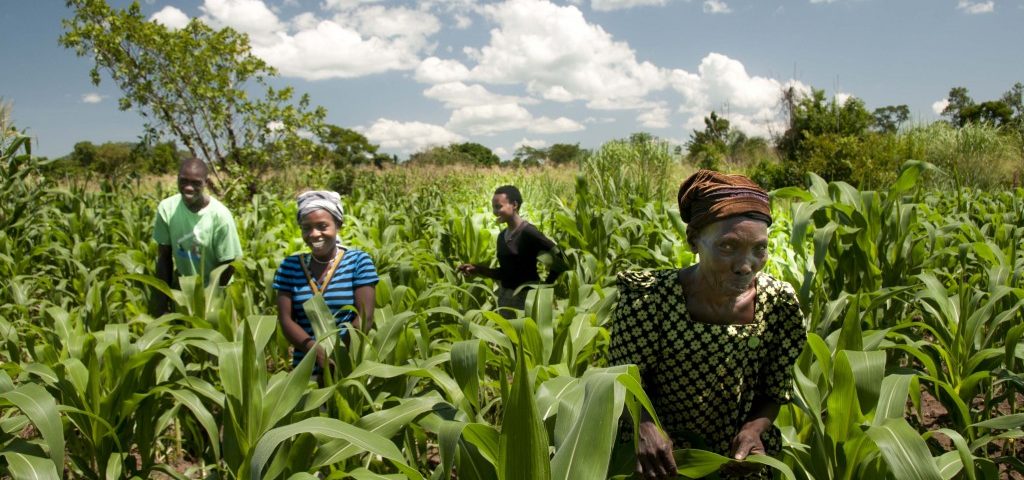
The Food and Agriculture Organization (FAO) and the International Fund for Agricultural Development (IFAD) on Wednesday launched the United Nations’ Decade of Family Farming and a Global Action Plan to boost support for family farmers, particularly those in developing countries.
The two UN agencies lead the implementation of the Decade of Family Farming declared by the United Nations at the end of 2017.
Family farms represent over 90 per cent of all farms globally, and produce 80 percent of the world’s food in value terms. They are key drivers of sustainable development, including ending hunger and all forms of malnutrition.
The Decade of Family Farming aims to create a conducive environment that strengthens their position, and maximizes their contributions to global food security and nutrition, and a healthy, resilient and sustainable future.
The Global Action Plan provides detailed guidance for the international community on collective and coherent actions that can be taken during 2019-2028.
It highlights the need to increase, among other things, family farmers’ access to social protection systems, finance, markets, training and income-generating opportunities.
“We don’t have only the problem of hunger, which is on this rise, but also the problem of growing obesity. We need to pay attention to obesity. We know what we have to do to combat hunger, but not enough about combating obesity. Family farmers are the ones who produce local, fresh food, and produce food in a sustainable way. This is their contribution,” said José Graziano da Silva, FAO Director-General at the launch of the Decade in Rome.
“To meet the Sustainable Development Goals of zero hunger and no poverty, we must invest in the world’s small-scale family farmers and help them leverage their assets, knowledge and energy, and empower them to transform their lives and communities,” said Gilbert F. Houngbo, IFAD President. “The choices we make now will determine whether our future food systems are healthy, nutritious, inclusive, resilient and sustainable.”
And in letter read out at the launch, Pope Francis said: “The employment of young people in agriculture, in addition to combatting unemployment, can bring new energies to a sector that is proving to be of strategic importance to the national interests of many countries. The goals of the 2030 Agenda cannot ignore the contribution of young people and their capacity for innovation.”