TERFECO empowers rural entrepreneurs in Pallisa
September 25, 2024
UCAA, UGAISOA to Host 2024 Aviation Run in October
September 25, 2024
By Elijah Khisa
The government has been challenged to ensure that it appropriates more funds to the non-communicable diseases [NCDs] sector given its huge burden on its victims.
The call has been made by members of the media fraternity and civil society organizations [NGOs] which front for the fight against NCDs in the country during a three day media training workshop in September about the status of NCDs locally, regionally and globally.

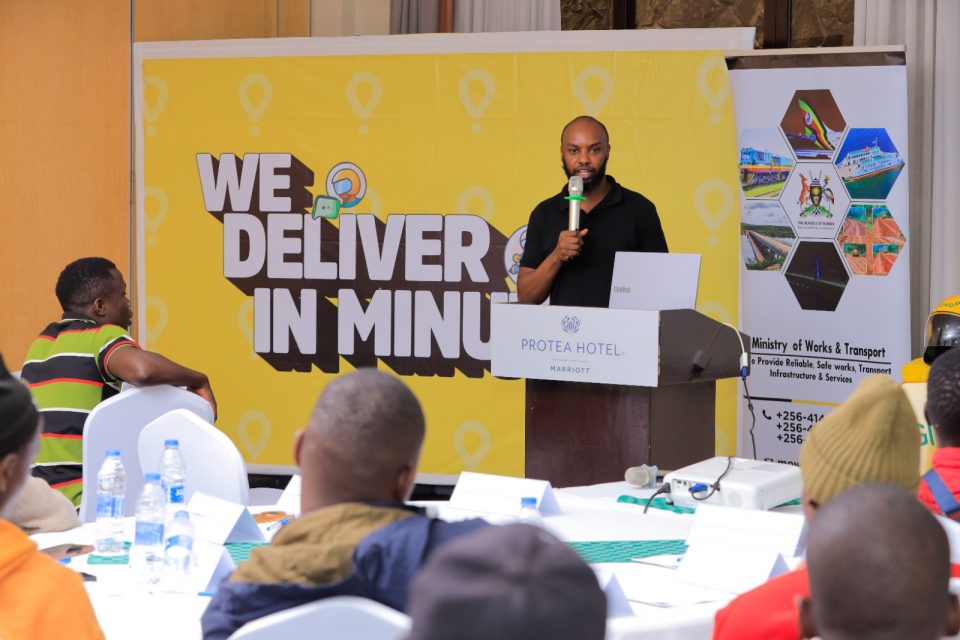
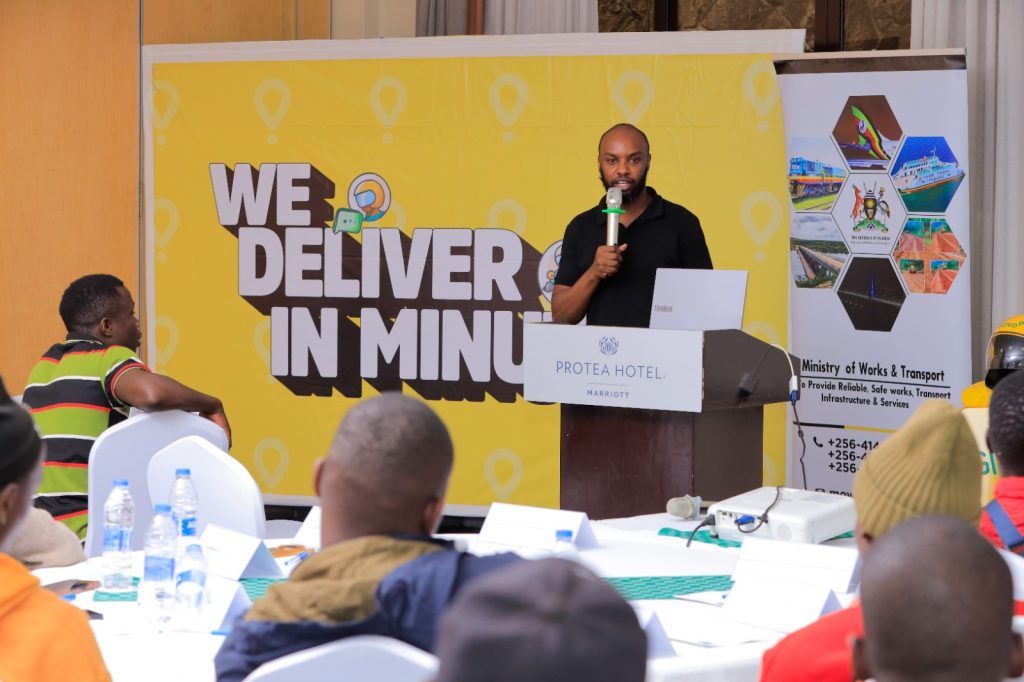
The training held at Forest Cottages Naguru, was funded by the World diabetes foundation [WDF] through the East Africa NCD alliance [EANCDA] and implemented by the Uganda Non communicable diseases alliance [UNCDA].
The UNCDA secretariat brought in technical experts to equip the over 60 members of the fourth estate in attendance with knowledge about the plight of NCDs and its devastating impact on its victims.
During the brainstorming session and engagement, the president of the Uganda diabetes Association [UDA] Dr. William Lumu noted with deep concern how NCDs which includes Cardiovascular Disease, Chronic Respiratory Disease, Cancer and Diabetes are the new kid on the block killing thousands of citizens who clandestinely perish in deep silence.
Dr.Lumu pointed out how it was important that both the media fraternity and artists jointly move forward in sensitizing the public about the potential death trap posed by NCDs which ironically do not have a particular age bracket of its victims but remain responsible for high cases of mortality among citizens.
Lumu who also doubles as the vice chairperson UNCDA board in charge of Diabetes section and attached to Nsambya hospital revealed that only 7% of all hypertension patients are on treatment while 93% are not aware about their status, while 31% of citizens are sinking in a deep alcohol pond as well as a separate 57% are obsess meaning that they do not carry out physical fitness exercises to cut down fats.
He cautioned parents of largely the elite community not pump their children with junk foods such as ice creams, sausages, hamburgers, red meats, chips and deep fried chicken as well as juices saying these are a likely one way ticket to picking NCDs thus pushing them straight into their graveyards. .
During the engagement session the participants agreed in their resolutions that government must come out and engage with the NCDs experts for purposes of allowing understanding the negative health impact NCDs cause to society including the very responsible government officials who lavishly sit in the chair of authority which sanctions and appropriates funds for the NCD burden.
Shockingly it emerged from some sources that the late state minister for defense and Kisoro woman legislator Hon. Sarah Mateke who died a fortnight ago could have been a potential victim of NCDs given that it clandestinely claims lives of its victims in silent mode with no clear bodily symptoms.
The participants urged the members of parliament who have the mandate of appropriating resources in the august house to ensure that they clearly allocate enough funds towards the NCD sector such that both they and their close relatives are offered treatment when detected as NCDs patients.
MPS need to be reminded that as they appropriate resources to run the country, they must not forget that NCDs still pose a big threat to the very population which they target to raise taxes from and as well themselves and close family relatives are potential victims.

The team leader UNCDA Dr.Chris Kwizera appealed to the government stakeholders to each one of them at any particular duty station to remember to advocate for fair policies and budgeting that can lead to averting the escalating levels of NCDs among the population as everyone of us is a potential victim to the NCDs monster.
‘At UNCDA we call upon all stakeholders sitting in offices that make decisions on resources allocation and policy guidance to play their part by lobbying and ensuring that they pass financial votes that favor the fight against NCDs such that the burden is gradually scaled down’ noted Kwizera.