


Tax Appeals Tribunal Throws Out Standard Chartered’s UGX 1.1bn Challenge Against URA
July 29, 2026OPINION; Stop Buying Lipstick on A Coffin: The Truth about Ready -Made Houses
July 29, 2026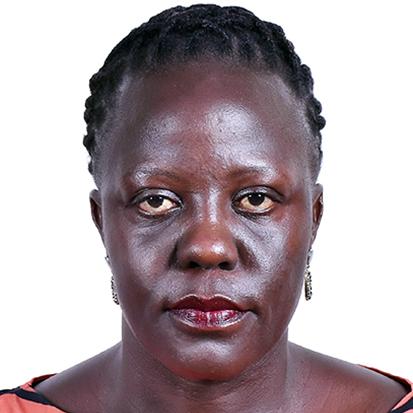
By Jacquiline Ndikimwiza Kaggwa,
Administrator, Uganda Parliamentary Forum on Malaria
The launch of the National Cleaning Day by the Government of Uganda is a bold and commendable step towards promoting public health, environmental sustainability and responsible citizenship. It demonstrates a clear recognition that a clean environment is fundamental to the health, dignity and prosperity of our nation.
For many years, Uganda has grappled with poor waste management, blocked drainage systems and indiscriminate littering. These challenges have contributed to preventable diseases, environmental degradation and recurrent flooding, particularly in our urban centres. National Cleaning Day therefore presents an opportunity for every Ugandan to become part of the solution.
As Administrator of the Uganda Parliamentary Forum on Malaria, I appreciate the close relationship between environmental cleanliness and disease prevention. Poor sanitation and stagnant water creates breeding grounds for mosquitoes, increasing the burden of malaria, while poor waste disposal contributes to outbreaks of cholera, typhoid and other sanitation-related diseases. A cleaner environment is not simply about aesthetics—it is a public health intervention.
The Government deserves recognition for creating a platform that mobilises ministries, local governments, schools, religious institutions, businesses and communities to work together. Such collective action strengthens national unity and reminds us that protecting our environment is a shared responsibility.
However, if National Cleaning Day is to achieve its intended impact, it must become more than a symbolic monthly exercise. Cleanliness should be embraced as a daily habit in every household, school, workplace, market and public institution.
To achieve this, several areas require greater attention.
First, public education must be intensified. Behaviour change takes time, and continuous awareness campaigns are needed to encourage proper waste disposal, recycling and environmental stewardship. Second, local governments should be adequately equipped with garbage collection vehicles, waste bins, recycling facilities and sufficient personnel. Communities cannot sustain cleanliness without reliable waste management systems.
Third, sanitation laws should be consistently enforced. While citizens should be encouraged to participate voluntarily, those who continue to litter, dump waste illegally or neglect sanitation standards should be held accountable. Effective enforcement creates lasting behavioural change.
Fourth, environmental education should be strengthened in schools. Young people are powerful agents of change, and instilling a culture of cleanliness from an early age will benefit generations to come. The private sector also has an important role to play through corporate social responsibility initiatives that support community clean-up exercises, waste recycling programmes and environmental conservation campaigns.
As we work towards achieving the National Development Plan and the Sustainable Development Goals, environmental cleanliness must remain a national priority. Healthy communities are more productive, healthcare costs are reduced, tourism is enhanced, and the quality of life for all citizens improve.
National Cleaning Day should therefore be viewed not as a government event, but as a national movement. Every Ugandan has a role to play in ensuring that our homes, schools, workplaces, markets and streets remain clean every day not only on designated cleaning days.
A clean Uganda is a healthier Uganda. It is a safer Uganda. It is a more prosperous Uganda. Let us all support this important government initiative and work together to transform National Cleaning Day into a lasting culture that defines who we are as a nation.
The author is the Administrator of the Uganda Parliamentary Forum on Malaria.
