


Housing Finance Bank Deepens Commitment to Sustainability as It Builds for Long-Term Value
September 3, 2026New Details Emerge About the Prince George Desmond Kamurasi, the Awaiting New Endorsed Tooro King
September 5, 2026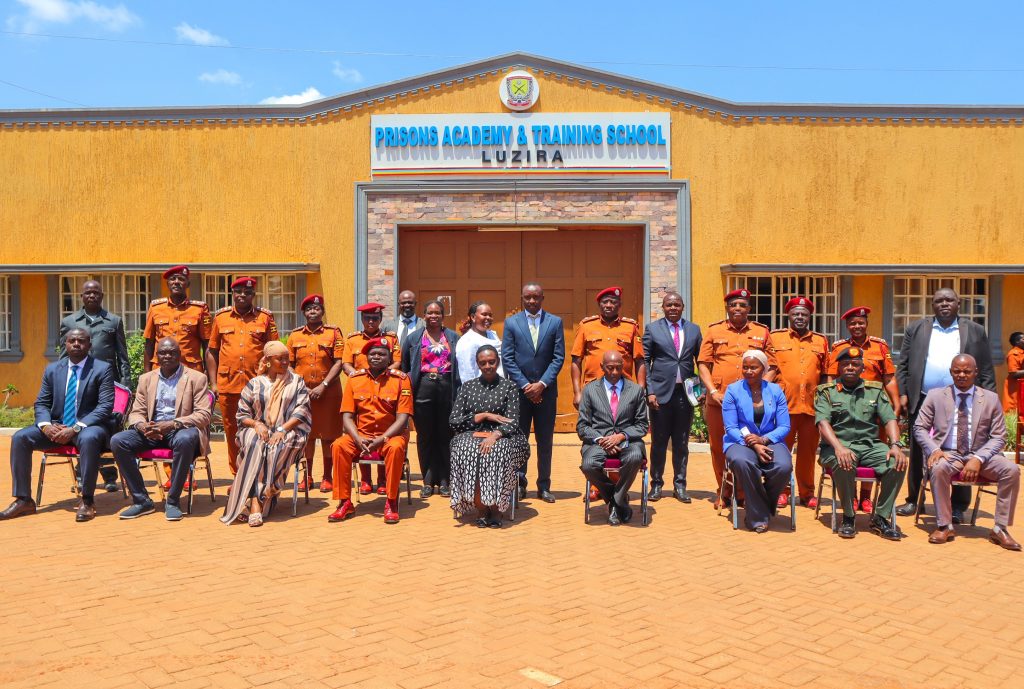
By Abraham Lincolns | Kampala
The Uganda Prisons Service has raised concern over severe overcrowding and a shortage of staff, with the national prison population now standing at 83,682 inmates.
During a meeting with Parliament’s Defence Committee at Luzira Maximum Security Prison, the Deputy Commissioner General of Prisons Samuel Akena said that the institution has reached 83,682, three times bigger against an approved accommodation capacity of 23,437.
He added that staffing remains another bigger challenge that needs urgent consideration because the Prisons Service is operating with just 14,756 staff against an approved establishment of 39,462. Akena said the service currently has an approved accommodation capacity of only 23,437 prisoners, leaving an excess population of 60,245 inmates.
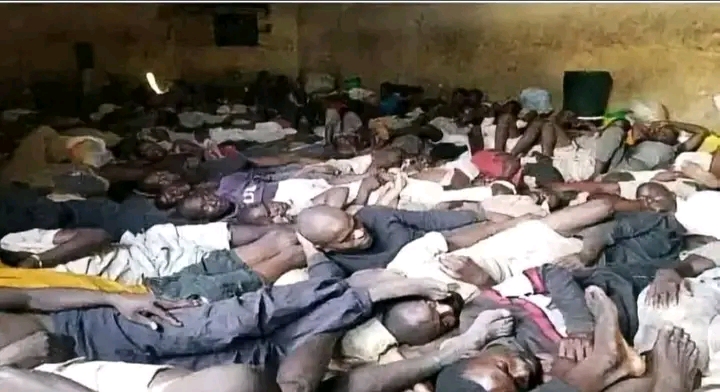
He empathised that the figures translate into an occupancy rate of 357 per cent, meaning that the number of inmates is more than three times the approved accommodation capacity. “Currently, we have only approved capacity of 23,437. That means, therefore, given the 83,682, we are in excess of our capacity by 60,245. It means, therefore, our occupancy rate stands at 357 percent,” Akena said.
According to the situation report presented to the committee, 45,113 prisoners are convicted inmates serving sentences, representing 53.9 per cent of the total prison population. Another 37,993 prisoners, representing 45.4 per cent, are on remand, while 576 are debtors, accounting for 0.7 per cent. Akena said the rising prison population is putting significant pressure on the Prisons Service budget, particularly in providing basic necessities for inmates.
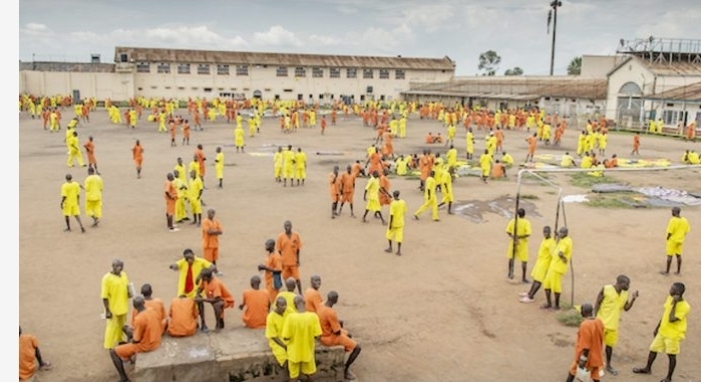
“The over-congestion, the increased number, is the major cost driver of our prisons budget because of this increasing population of prisoners,” he said. He said overcrowding has increased pressure on the service to provide food, accommodation, sanitation, water, medical care and uniforms, as well as transport prisoners to and from court.
Meanwhile, the Prisons Service is at the same time battling a major staffing challenge, with only 14,756 personnel against an approved establishment of 39,462. Akena said the figure comprises 14,279 uniformed staff and 477 non-uniformed personnel, meaning only 35.7 per cent of the approved staffing positions have been filled.
He said the shortage has left prison officers overstretched and affected the service’s ability to fully execute its mandate.
“Our staff are overworked, we are understaffed, and therefore we are not able to 100 percent execute our duty as required. But we are doing the best within what is,” Akena said. Prisons production and rehabilitation The Defence Committee also visited prison production facilities at Luzira, including the carpentry workshop, where inmates are engaged in vocational training and production.
Akena said production is part of the statutory mandate of the Uganda Prisons Service and is intended to contribute to the rehabilitation of offenders while equipping them with skills for economic independence after release. The production activities are mainly carried out through two enterprises — prison farms and prison industries.
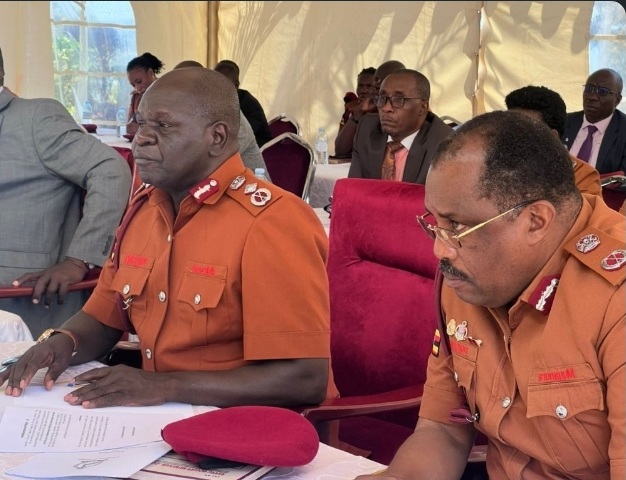
Commissioner Onen told the committee that the prison farms undertake seed multiplication and the production of cotton, grain and rice across 68 prison farms in the country. “We undertake multiplication of seeds, production of cotton and grain, as well as rice cultivation across 68 prison farms in the country,” Onen said.
The service also runs various prison industries, including carpentry, where inmates are trained in practical skills while producing furniture and other items. Akena said the production programmes are part of the service’s broader goal of transforming prisoners into responsible, law-abiding and economically productive citizens.
He said the Prisons Service’s mandate includes the safe, secure and humane custody of offenders, rehabilitation and the development of skills that can enable inmates to reintegrate into society. The service’s development goal is to ensure that every prisoner leaves custody as a responsible, law- abiding and economically productive citizen.
The Prisons Service says its production programmes are therefore intended not only to supplement its operations but also to strengthen rehabilitation and prepare inmates for life after prison.
